
The Good, The Bad, and The Ugly of Oil Additives: Insights from Lake Speed Jr.
For anyone fascinated by the science of lubrication and oil additives, Lake Speed Jr.’s expertise is invaluable. As a tribologist and oil analyst with decades of experience in motorsports and the lubrication industry, Lake offers a no-nonsense approach to understanding oil additives. In this article, we break down his insights from a recent presentation, covering everything from fuel additives to the complexities of engine oil chemistry.
The Good: Fuel Additives
Lake firmly believes that the only truly beneficial additive is a fuel additive, specifically those containing polyether amine (PEA). These detergents are critical for maintaining clean fuel injectors and minimizing fuel dilution, which can degrade engine oil and cause wear.
-
Why Fuel Additives Matter:
U.S. gasoline often contains insufficient detergents, leading to injector deposits that reduce fuel atomization and efficiency. Poor fuel atomization results in incomplete combustion, which generates harmful byproducts like unburnt fuel and moisture that contaminate the oil.
-
A Real-World Example:
In one case, a 2005 Porsche Boxster with increasing fuel dilution saw dramatic improvement after a single tank of gas treated with a PEA-based additive. The fuel dilution dropped from 2.56% to 0.93%, demonstrating the effectiveness of these detergents in maintaining engine health.
-
When to Use Fuel Additives:
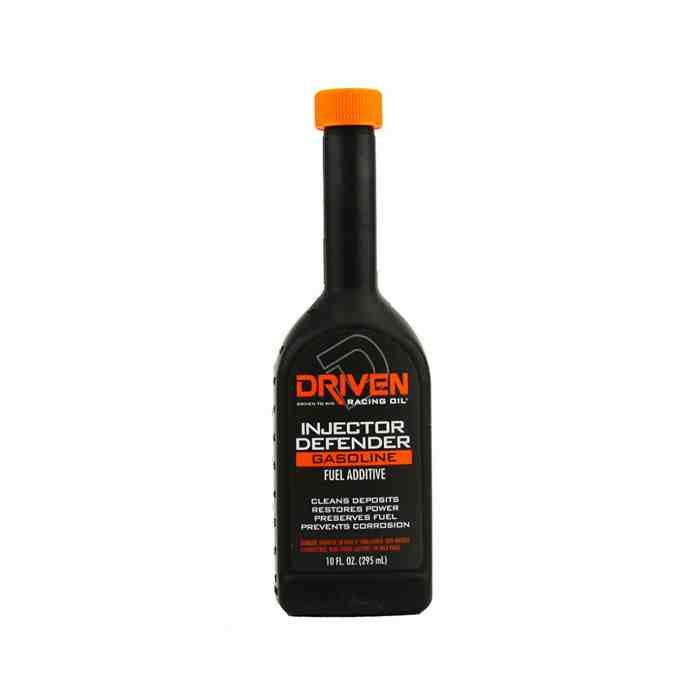
Lake recommends using a high-quality PEA-based fuel additive once a year, preferably before storing the car for the season. Products like Driven Injector Defender, Chevron Techron Complete Fuel System Cleaner, or Red Line SI-1 are excellent choices. Not only do these additives clean dirty injectors and engines, but they also protect from the damaging effect of ethanol enriched fuels.
The Bad: Oil Additives
Lake’s stance on oil additives is unequivocal: If you need to add something to your oil, you’ve chosen the wrong oil. Engine oil is a carefully balanced mixture of base oils and additives, and tampering with this balance can lead to unintended consequences.
Key Points About Engine Oil:
-
Complex Chemistry:
Motor oil contains a precise balance of detergents, dispersants, anti-wear agents, and viscosity modifiers. These elements are carefully formulated to work in harmony for a specific application.
-
The Role of Zinc (ZDDP):
Zinc dialkyldithiophosphate (ZDDP) is a critical anti-wear additive. However, too much ZDDP can cause corrosive wear, demonstrating that more isn’t always better.
- The Role of Moly (MoS2):Molybdenum disulfide, or Moly, is a common friction modifier. Not only does it reduce friction and lower oil temperatures, but it can bind with non-ferrous surfaces, where ZDDP cannot. This additive is critical to protect cylinder bores in any engine with uncoated aluminum cylinder bores, like what are found in engines with Alusil or Lokasil engine blocks. Case in point, LN Engineering recommends using Driven DT40 or Driven DI40 to help prevent scored bores due to the high levels of moly used in these oils, something factory A40 approved oils are lacking.
-
Additives Can Dilute Performance:
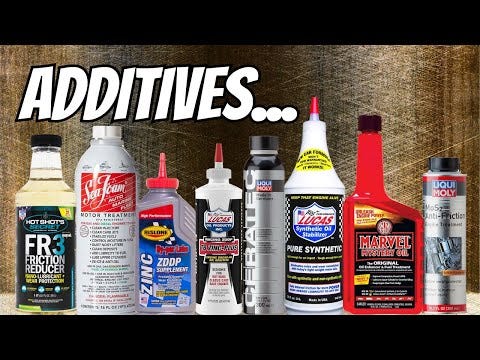
Many aftermarket oil additives dilute the carefully engineered additive package in motor oil, reducing its effectiveness. For example, products that thicken oil, like Lucas Oil Stabilizer, often lack critical anti-foam agents, increasing the risk of oil aeration, something that any owner of an M96 or M97 engine should be worried about.
Real-World Consequences of Using Oil Additives:
- A user who mixed multiple additives, including Lucas Oil Stabilizer, saw excessive engine wear after just 800 miles. The thickened oil couldn’t flow properly, leading to lubrication issues.
- Another example involved a user adding Rislone ZDDP additive to Castrol GTX. The resulting oil became acidic, causing significant bearing wear, with 267 ppm of lead detected in oil analysis.
The Ugly: Extreme Failures with Additives
Some oil additives are not only ineffective but downright harmful. Lake shared several alarming examples:
-
Seafoam:
When added to oil, Seafoam reduced the flashpoint of the oil to 55°F, making it highly volatile and water-absorbing — a recipe for disaster.
-
Oil Extreme:
This additive was so alkaline that it disrupted the oil’s chemical balance, causing erratic performance and increased wear.
-
Backyard Brews:
Mixing different oils and additives often leads to incompatibilities. For example, a Porsche owner using a mixture of Castrol and Motul oils experienced early signs of bore scoring, likely due to insufficient molybdenum and zinc in the blend.
Why Additives Can Be Harmful
Lake emphasizes that motor oil chemistry is highly interdependent. Changing one component can disrupt the entire formula, leading to unpredictable results:
- Incompatibility: Additives can neutralize or counteract each other, reducing effectiveness.
- Dilution: Many additives reduce the concentration of critical anti-wear agents in the oil.
- Acidity or Alkalinity: Excessive changes in oil’s pH can accelerate engine wear.
How to Choose the Right Oil
Lake offers straightforward advice for selecting motor oil:
-
Follow Manufacturer Specifications:
Always prioritize the oil’s viscosity and specification over brand loyalty. For most owners, observing the factory severe service interval for oil changes is recommended. If one does not exist, cut the factory interval in half for time or mileage, whichever comes first.
-
Use Approved Oils:
Only use oils that meet your car manufacturer’s standards while under warranty. For example, Porsche-approved oils are rigorously tested to ensure compatibility, however out of warranty, there are better choices like Driven Racing Oils and Millers Nano Oils.
-
Avoid Mixing Oils or Additives:
Mixing oils or using unapproved additives introduces variables that can lead to engine damage.
-
Opt for Used Oil Analysis:
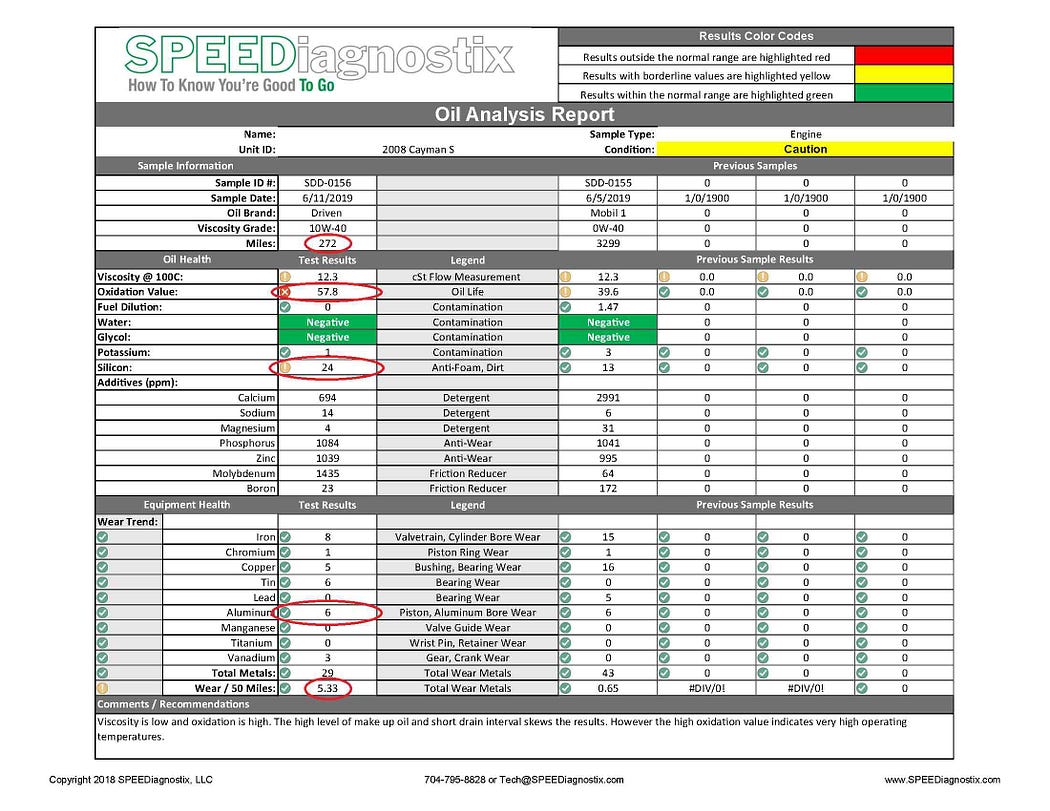
Used oil analysis is the only tool that can be used to determine the condition of your engine and how well a certain lubricant is performing in said engine for how it is being operated and maintained.
When and How to Use Additives
For those still considering additives, Lake provides cautious recommendations:
- Fuel Additives: Use PEA-based products for cleaning fuel systems, especially before storing the car. Even when using Top Tier fuels, you should consider using a PEA-based fuel additive every 2–3k miles, if not at every fill up, which is recommended for older cars built before model year 2000 that likely were never designed to run unleaded fuels with more than 5% ethanol content.
- Avoid Oil Flushes: Products like Seafoam or engine flushes are unnecessary and potentially harmful. Instead, opt for high-quality oil and change it more frequently to clean the engine naturally.
- Avoid Oil Additives: If an oil needs an additive, it’s the wrong oil for your engine.
Conclusion
Oil and fuel additives often promise miraculous results but come with significant risks. As Lake Speed Jr. aptly puts it, using additives is like playing “chemical Russian roulette” with your engine. The best course of action? Choose the right oil for your car, stick to manufacturer recommendations, and use high-quality PEA-based fuel additives sparingly. By avoiding unnecessary additives, you’ll ensure your engine runs smoothly for years to come.