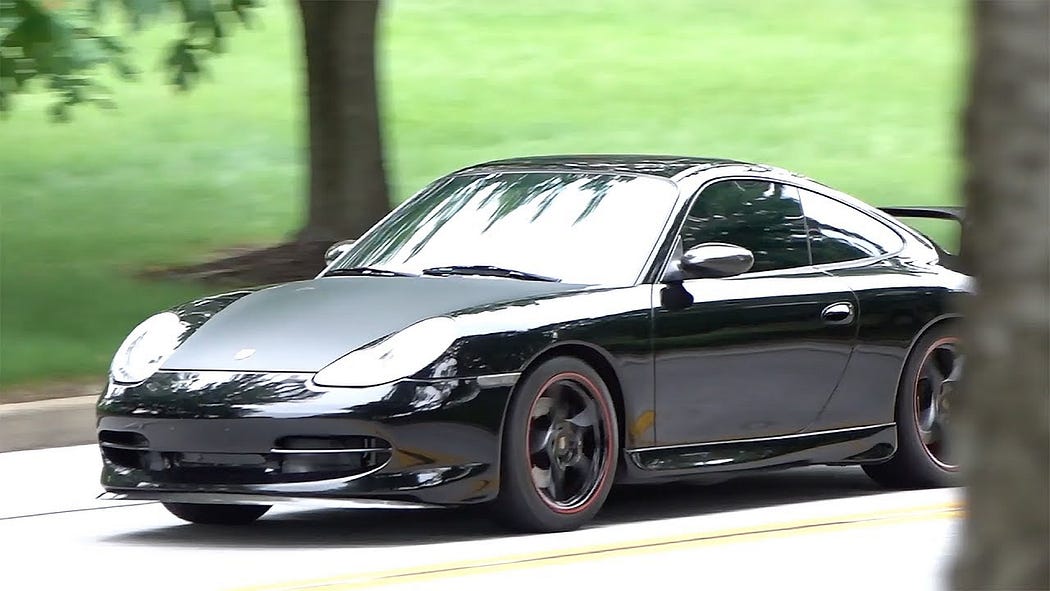
Considering a Used Porsche 986 Boxster or 996 911? Here’s What You Need to Know Before You Buy
The 986 Boxster and 996 911 are often seen as the most accessible entry points into Porsche ownership. With prices ranging from $15,000 to $25,000, many enthusiasts are tempted to make the leap. But buying one without a proper pre-purchase inspection (PPI) could turn your dream into an expensive nightmare.
This guide outlines what every buyer needs to know — including common issues, inspection tips, and the crucial differences between these two Porsche icons.
986 Boxster vs. 996 911: Which Should You Choose?
Both the 986 and 996 models share the M96 engine and many underlying systems, but they cater to different drivers:
- 986 Boxster (1997–2004): A mid-engine roadster known for its exceptional handling balance and affordability. It’s ideal for those seeking a pure, open-air driving experience.
- 996 911 (1999–2004): A rear-engine coupe that offers more power, rear seating, and the traditional 911 silhouette. It tends to hold value better and has a larger enthusiast following.
If your priority is performance and prestige, the 996 may be the better choice. If balance and budget are more important, the 986 delivers impressive capability for less.
Why a Pre-Purchase Inspection Is Non-Negotiable
The key to buying a used Porsche wisely is a proper PPI — one performed by an experienced independent Porsche specialist. A generic inspection simply won’t cut it with these cars.
PCA’s technical advisors and experts like Jake Raby (Flat 6 Innovations) and Charles Navarro (LN Engineering) emphasize that a real PPI involves a full-day process. Here’s what a comprehensive evaluation should include:
Engine Evaluation and Diagnostics
- Control Module Interrogation: Read all fault codes, verify no recent ECU resets, and examine over-rev data. For the 996, make sure there are no Range 2 over-revs, which could indicate mechanical over-revving.
- Camshaft Timing Deviation: Using a tool like the Durametric system, ensure both camshafts track evenly during rev cycles. 5-chain engines should not have more than 4 degrees of cam timing deviation.
- Oil Analysis: Drain and examine the oil for metallic debris. A magnetic drain plug, if present, should be inspected for ferrous particles.
- Sump and Filter Inspection: Drop the oil pan and cut open the filter to check for signs of engine wear or contamination, such as sealant debris or metal fragments.
Compression and Leak-Down Testing
Although having compression and leak-down numbers would be nice, especially for identifying worn rings, valve guides, or potential bore scoring, a crankcase manometer reading both cold and hot will do in a pinch — value should be between 4–6 inches of water column. Results should be documented and provided in a written report.
Known Engine Issues: IMS Bearings and Bore Scoring
Two common issues plague M96-powered Porsches:
- Intermediate Shaft (IMS) Bearing Failure: This can lead to catastrophic engine damage. Many 986 and early 996 models have original bearings. Ensure the seller provides proof of an IMS retrofit or factor the cost into your purchase. Also, be aware the replacement IMS bearings do have a service interval, which is 6 years or 75k miles, whichever comes first, for the most popular IMS Retrofit intermediate shaft bearing upgrade.
- Cylinder Bore Scoring: Especially prevalent in 3.4L and 3.6L engines (996 Carrera). Signs include sooty exhaust tips, ticking noises at idle, or high oil consumption. Only a borescope inspection of all six cylinders can confirm the issue. No need to worry about bore scoring in base 2.5, 2.7, and Boxster S models with the 3.2 engine.
Chassis, Suspension, and Cooling System
A proper PPI includes lifting the vehicle and performing a mechanical and structural check:
- Suspension and Mounts: Inspect for aftermarket components, worn bushings, and leaking or collapsed engine/transmission mounts.
- Radiators and Cooling: Check for debris in the front radiator intakes and inspect the coolant expansion tank for cracks or staining.
- Brake System: Look for rotor cracks, excessive wear, and signs of heat stress. Check fluid age using a moisture meter.
- CV Joints and Exhaust: Verify boots are intact and axles have free plunge motion. Inspect catalytic converters for looseness or damage.
Interior, Electrical, and Body Evaluation
- Battery and Terminals: Confirm the battery is secure and terminals are clean and covered.
- DME Operating Hours: Divide mileage by engine hours — normal values fall between 25–35 mph average.
- Interior Wear: Unusual wear may indicate higher mileage than shown. Keep an eye out for gummy radio control knobs, bad LCD panels, and foam blowing from the HVAC vents.
- Paint and Body Panel Inspection: Use a paint thickness gauge to check for prior repairs or resprays. Remove trunk carpeting and wheel liners if necessary to inspect for hidden accident damage.
The Verdict: Buy Smart, Inspect Thoroughly
The 986 and 996 offer tremendous value and performance — but only when bought right. Don’t settle for a quick once-over or trust that a clean Carfax tells the whole story.
Instead, insist on a full-day PPI by a shop that specializes in these models. Only a deep inspection — including borescope imaging, sump analysis, camshaft deviation measurements, and control module interrogation — can confirm that the car is mechanically sound.
Helpful Tip:
If you’re serious about buying, many reputable Porsche shops will even document the entire inspection with photos and videos, sending you a full report for review before you make your decision.
Final Thought
Don’t gamble on your Porsche dream. Do your homework, consult with knowledgeable professionals, and invest in a proper inspection. With the right approach, a used 986 or 996 can be one of the most enjoyable and rewarding purchases you’ll ever make.
LN Engineering is a proud sponsor of Porsche Club of America and Tech Tactics.