
The Importance of Porsche Pre-Purchase Inspections: A Comprehensive Guide
Are you considering buying a Porsche? Whether it’s a classic air-cooled model or a modern water-cooled version like the Boxster, Cayman, or 911 996 and 997 models, a pre-purchase inspection (PPI) is a crucial step in the buying process. A PPI can provide valuable insights into the condition of the vehicle, helping you make an informed decision and potentially saving you from costly repairs down the road. In this article, we’ll explore the importance of PPIs for Porsche buyers and outline the critical steps to take for both older air-cooled and newer water-cooled models.
Why Are Pre-Purchase Inspections Important for Buying a Porsche?
- Peace of Mind: A PPI can give you peace of mind knowing that the Porsche you’re buying is in good condition and has been thoroughly inspected by a qualified technician.
- Identification of Potential Issues: PPIs can uncover hidden problems or potential issues that may not be apparent during a regular test drive, such as engine or transmission issues, frame damage, or rust.
- Negotiation Power: If the inspection reveals any issues, you can use this information to negotiate the price of the vehicle or ask the seller to address the problems before finalizing the purchase.
- Safety Assurance: Ensures that the Porsche is safe to drive, especially if you plan to use it as a daily driver or for long trips.
- Investment Protection: Protects your investment by ensuring that you’re not buying a lemon and potentially saving you from costly repairs in the future.
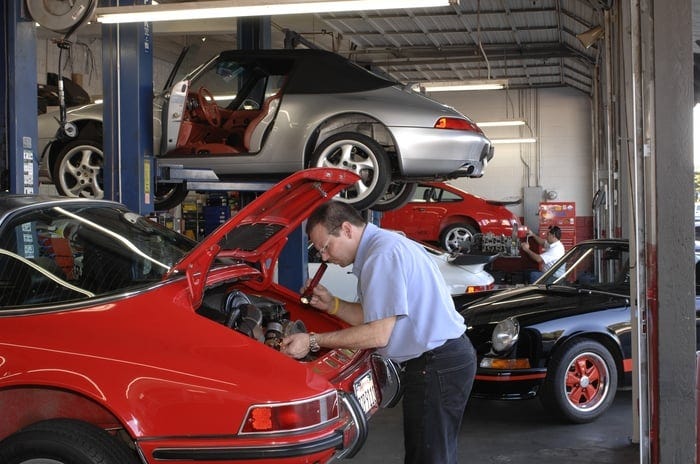
Critical Steps for Pre-Purchase Inspections of Porsche Models
- Engine Inspection: Check for oil leaks, compression, leak-down, and overall engine condition, as well as for any abnormal noises or vibrations that might indicate rough running due to tuning or maintenance issues. Inspect the engine mounts.
- Transmission Inspection: Check the condition of the transmission fluid and transmission mounts. Verify proper clutch and shifting function for smooth operation.
- Suspension and Steering: Inspect the suspension components and steering system for wear and tear, as these can affect the handling and safety of the vehicle.
- Body, Paint, and Frame: Check for rust, corrosion, paint damage, and any signs of previous accidents or damage to the body and frame, as these can impact the resale value of the vehicle.
- Emissions System: Inspect PCV system and related emissions control devices like SAI (secondary air injection) for proper function.
- Safety System: Inspect safety devices like seat belts and airbags.
- Electrical System: Test the electrical system, including lights, gauges, and accessories, to ensure they are working properly.
- Brakes and Tires: Inspect the brakes and tires for wear and tear, as these are critical for safe driving.
A pre-purchase inspection is a crucial step in the buying process for any Porsche, whether it’s an older air-cooled model or a newer water-cooled version. By following these critical steps, you can ensure that the Porsche you’re buying is in good condition and meets your expectations.
Specific Problems with Newer Water-Cooled Porsche Models
Modern water-cooled Porsche Boxster, Cayman, and 911 models require specific knowledge, equipment, and additional steps to be taken as part of a pre-purchase inspection to address specific issues, including:
- Porsche Cylinder Bore Scoring: Have the cylinders scoped for scoring, especially in the Boxster, Cayman, and 911 996 and 997 models, as this can lead to engine damage if not addressed.
- Porsche IMS Bearing: Check the intermediate shaft (IMS) bearing, as failure can lead to catastrophic engine damage. If the bearing has already been replaced, check to see if the bearing is past the recommended service interval. If the bearing hasn’t been replaced, plan on taking care of this as soon as possible.
- Porsche Air Oil Separator (AOS): Inspect the AOS for leaks or malfunctions, as a faulty AOS can lead to excessive oil consumption and engine issues. A manometer can be used to verify proper AOS function.
- Porsche Rear Main Seal (RMS): Check the RMS for leaks, as a leaking RMS can lead to oil leaks and potential damage to the clutch. Leaks in this area can also be from the IMS flange.
- Porsche Water Pump (and Cooling System): Inspect the water pump for leaks or wear, as a failing water pump can lead to overheating and engine damage. The water pump and thermostat needs to be replaced every 4–6 years or at most every 75k miles. Inspect the condition of the hoses and expansion tank.
- Electronics: Modern Porsche models have complicated electrical systems that need to be checked with Porsche specific diagnostic tools. This includes DME interrogation to check for issues like over-revs, cam timing deviation, fuel trim, emission system monitor readiness, and any stored or pending faults. Any anomalies may require further diagnostics and corrective action.
Who Should Carry Out the Pre-Purchase Inspection?
- Porsche Specialist: Ideally, the inspection should be conducted by a Porsche specialist or a mechanic who is familiar with Porsche vehicles. They will have the knowledge and expertise to identify potential issues specific to Porsche models.
- Independent Mechanic: If a Porsche specialist is not available, an independent mechanic with experience working on European cars, including Porsches, can also perform the inspection. Ensure they have the necessary tools and diagnostic equipment for a thorough inspection.
- Depending on whether you need a PPI on a classic Porsche or a newer water-cooled model, you may need to seek out a shop that specializes on that specific model as some shops only work on certain models or vintages of Porsche models.
- Avoid Sellers’ Recommendations: While sellers may offer to have the vehicle inspected by their preferred mechanic, it’s best to choose an independent inspector to ensure an unbiased assessment.
Associated Costs with a Pre-Purchase Inspection
The cost of a pre-purchase inspection can vary depending on the location, the complexity of the inspection, and the reputation of the inspector. On average, you can expect to pay a minimum of $500 for a basic inspection. This cost will increase if additional services, such as a compression and leak-down test or bore scoping are required or a more extensive evaluation is required.
While the cost of a PPI may seem high, it’s a worthwhile investment considering the potential savings in repair costs and the peace of mind it provides. Additionally, some sellers may be willing to negotiate the cost of the inspection as part of the overall sale price, so it’s worth discussing this with the seller before proceeding with the inspection.
LN Engineering offers a Porsche pre-purchase inspection guide that can be downloaded for free.
Tony Callas, of Callas Rennsport, also has published a blog on the Importance of a Pre-Purchase Inspection as well as an article featured in Excellence magazine, Pre-Purchase Inspections 101.
In conclusion, having a pre-purchase inspection carried out by a qualified professional is essential when buying a Porsche. It can help you avoid costly surprises and ensure that you’re getting a quality vehicle that meets your expectations.